
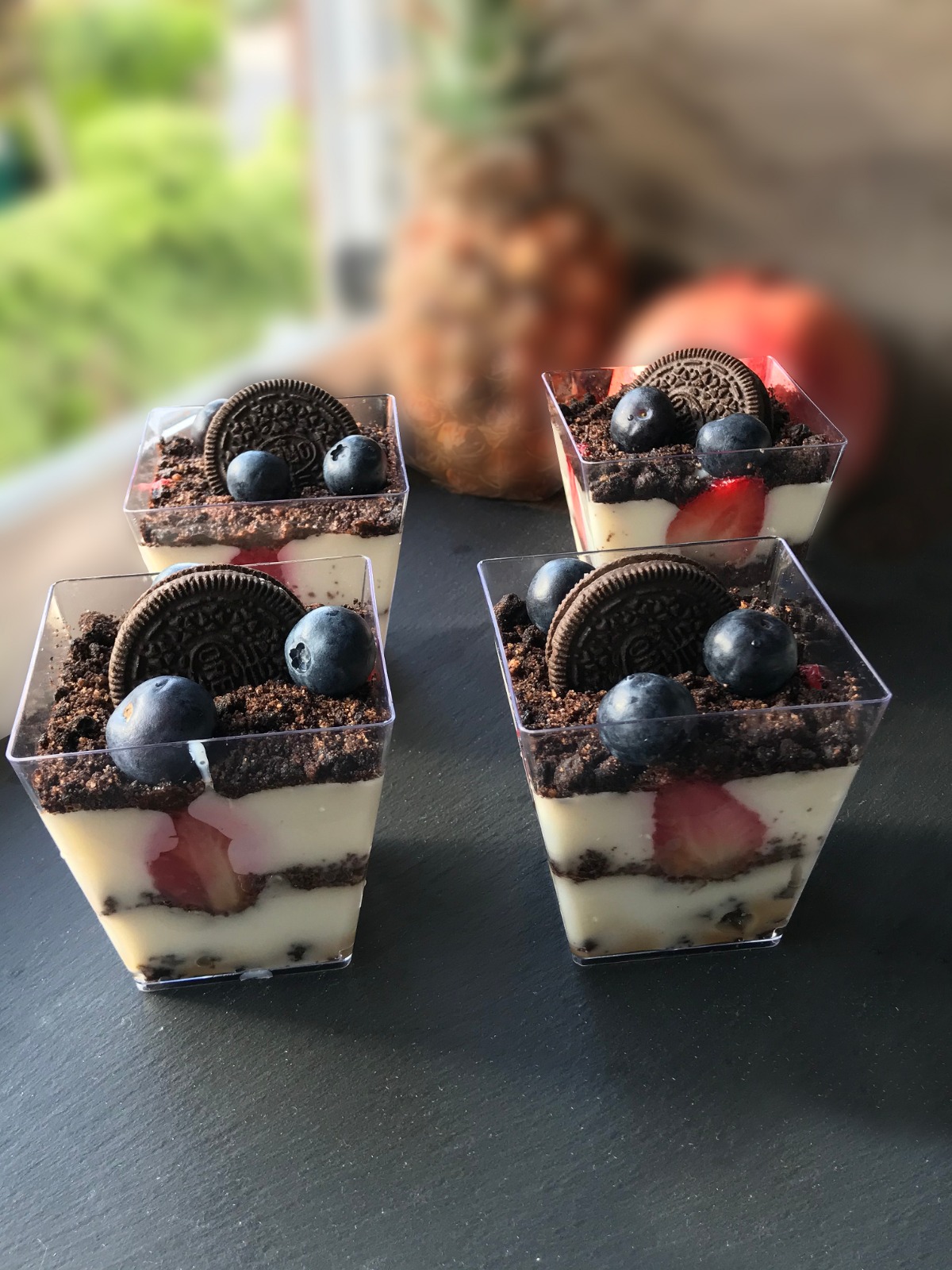
Own the traditional recipe
Every family in the eastern Mediterranean keeps its own version of the same dessert. Here is how we settled on ours, and why we still weigh the syrup by hand.
Read more
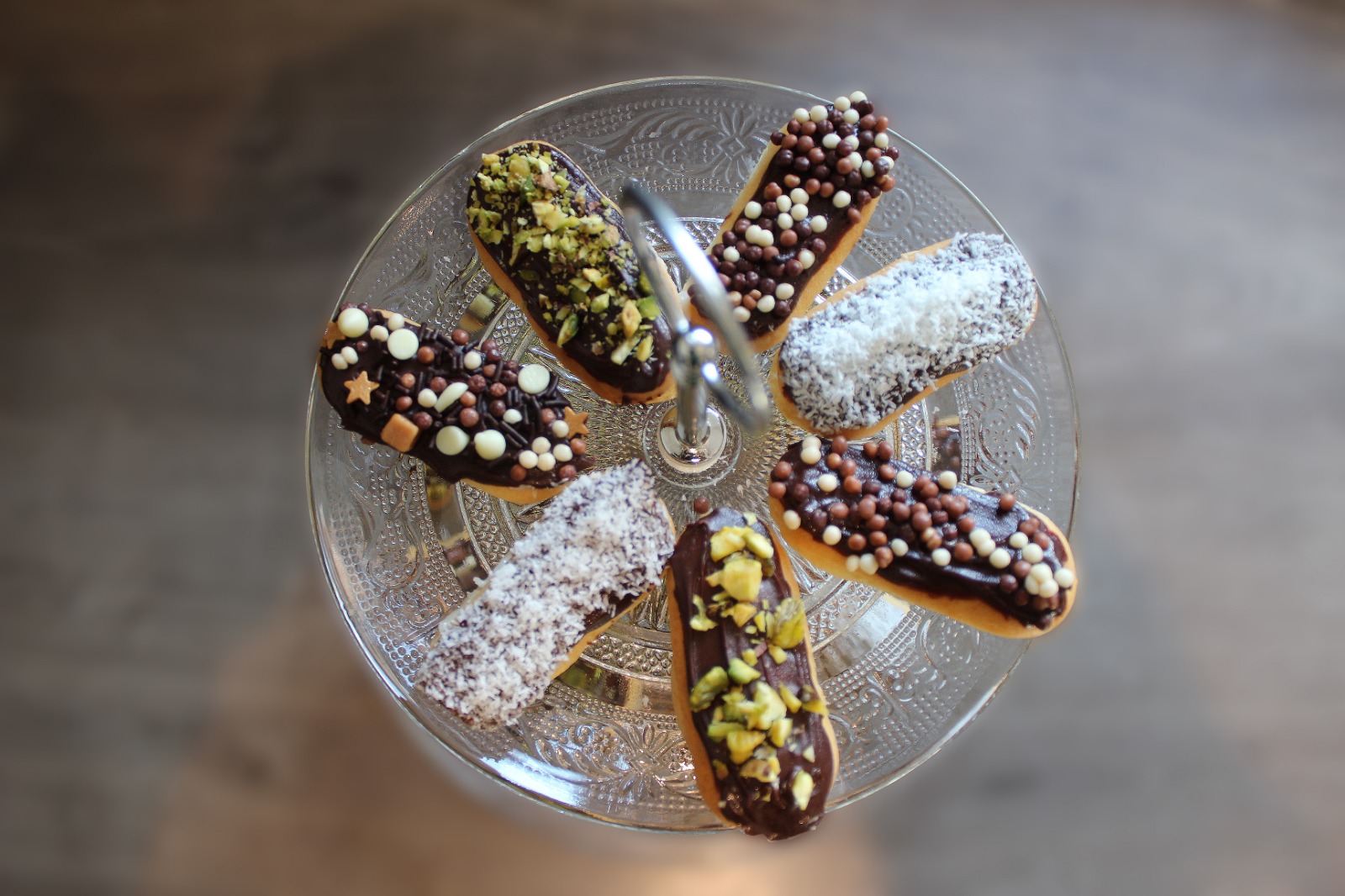
Standard butter is around 80 per cent fat. The rest is water and milk solids. European-style butter runs to 82 or 84 per cent, and that difference of a few percentage points is not a detail — in choux it changes the structure of the finished shell.
Choux rises on steam. You cook flour into boiling water and butter, beat in eggs, and then the oven turns the water in that paste into steam fast enough to inflate the shell before the crust sets. It sounds like more water would help, and in a sense it does, but the water in butter arrives in the wrong place. It thins the paste, which means you need less egg to reach the right consistency, and egg is what gives the shell the protein to hold its shape once it has puffed. Use a wetter butter and you get a shell that rises impressively and then sags as it cools.
The higher fat butter also carries more flavour, because most of what we recognise as the taste of butter lives in the fat. In something like an éclair, where the shell is deliberately plain against a sweet filling and a chocolate glaze, that plainness has to be worth eating on its own. There is nowhere for a bland shell to hide.
It costs more, and for a single batch at home the difference is not worth agonising over. Across a week of production it is noticeable on the invoice and it is noticeable on the plate, and of those two we decided some time ago which one we cared about more.
Every family in the eastern Mediterranean keeps its own version of the same dessert. Here is how we settled on ours, and why we still weigh the syrup by hand.
Read more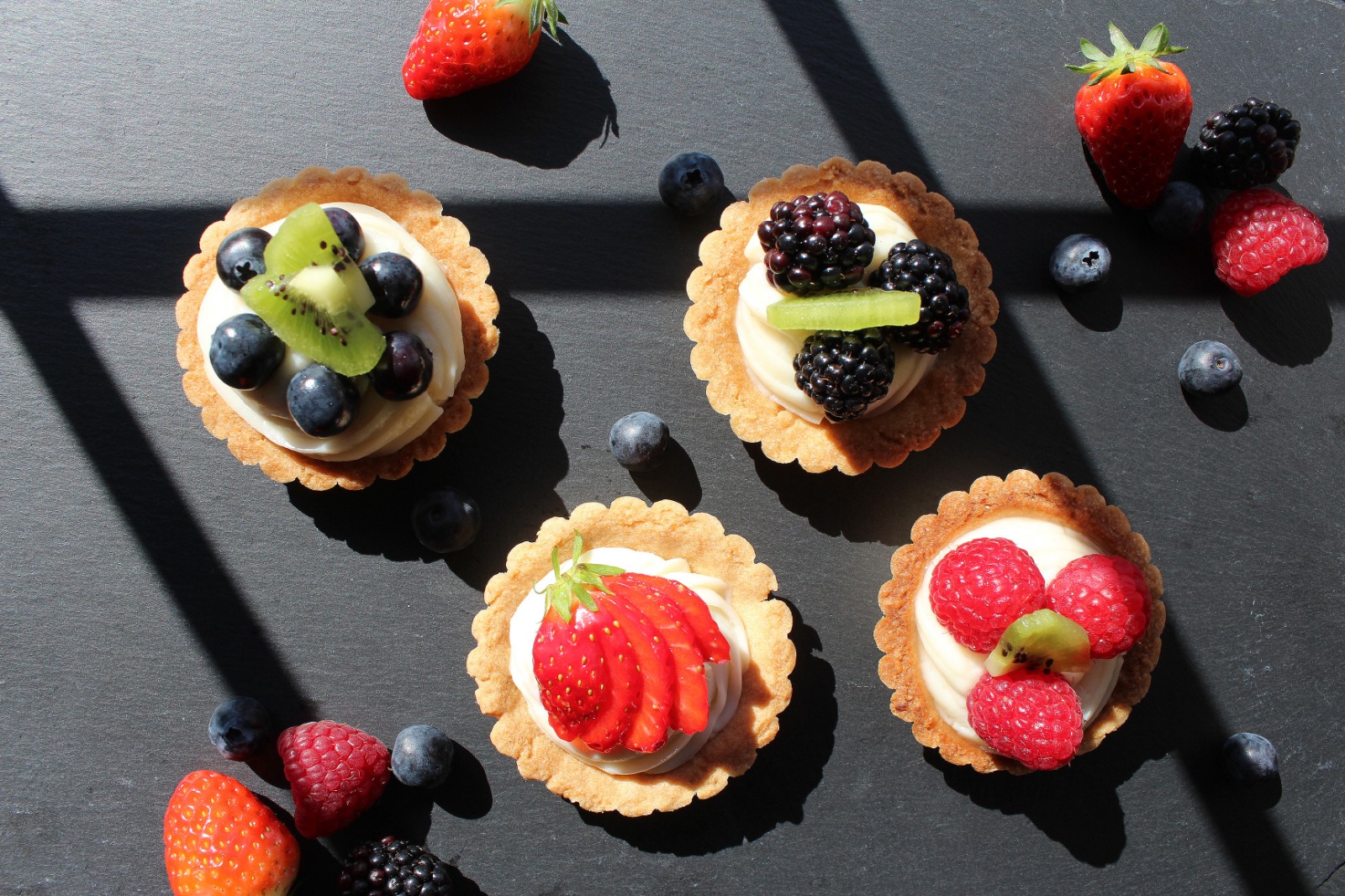
Laminated dough takes three days and a cold room to do properly. We explain what happens in each fold, and what goes wrong when a bakery rushes it.
Read more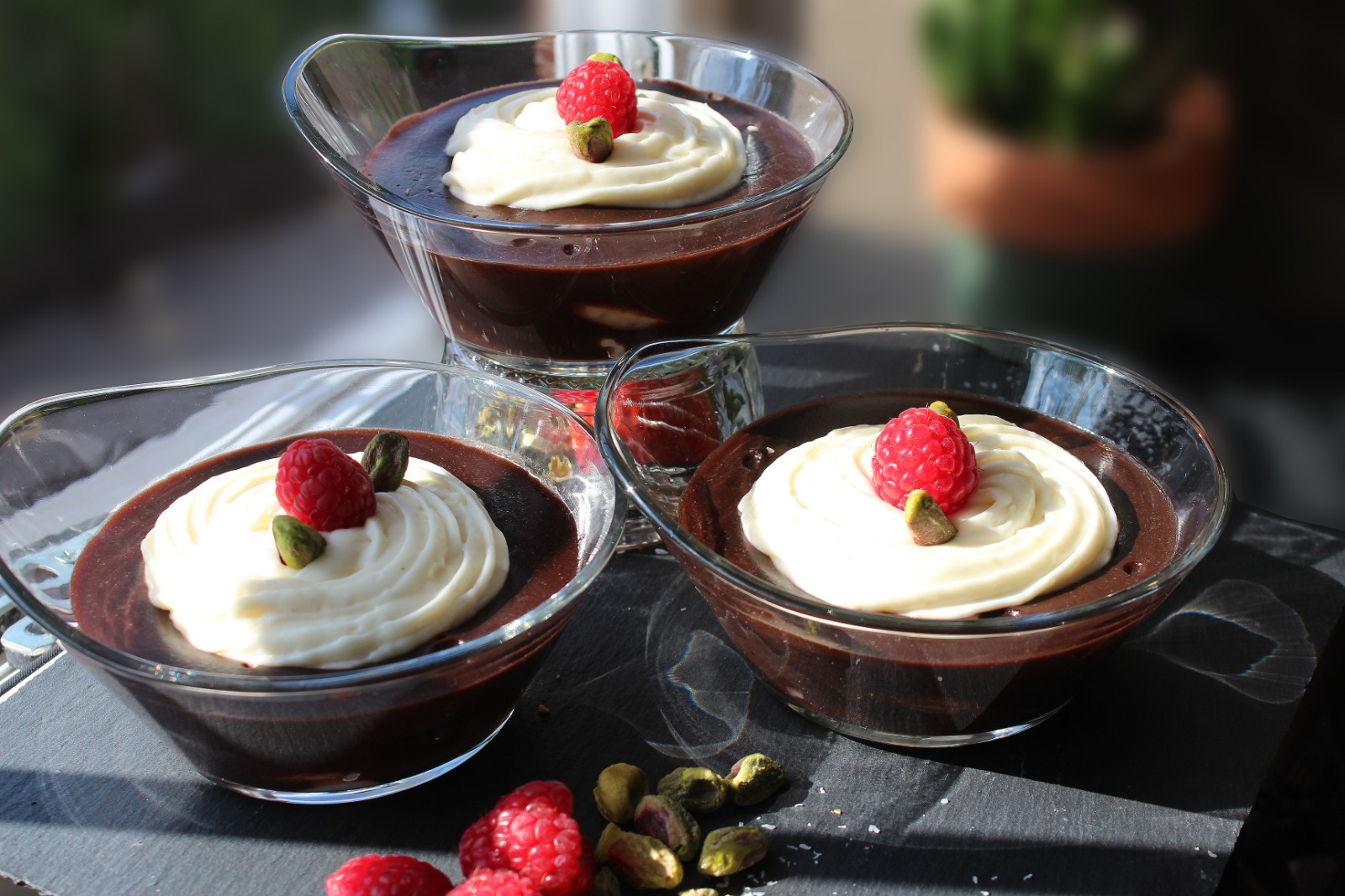
A tray of profiteroles in the middle of a table does more work than any centrepiece. Our guide to quantities, timing and getting dessert to the venue intact.
Read more