
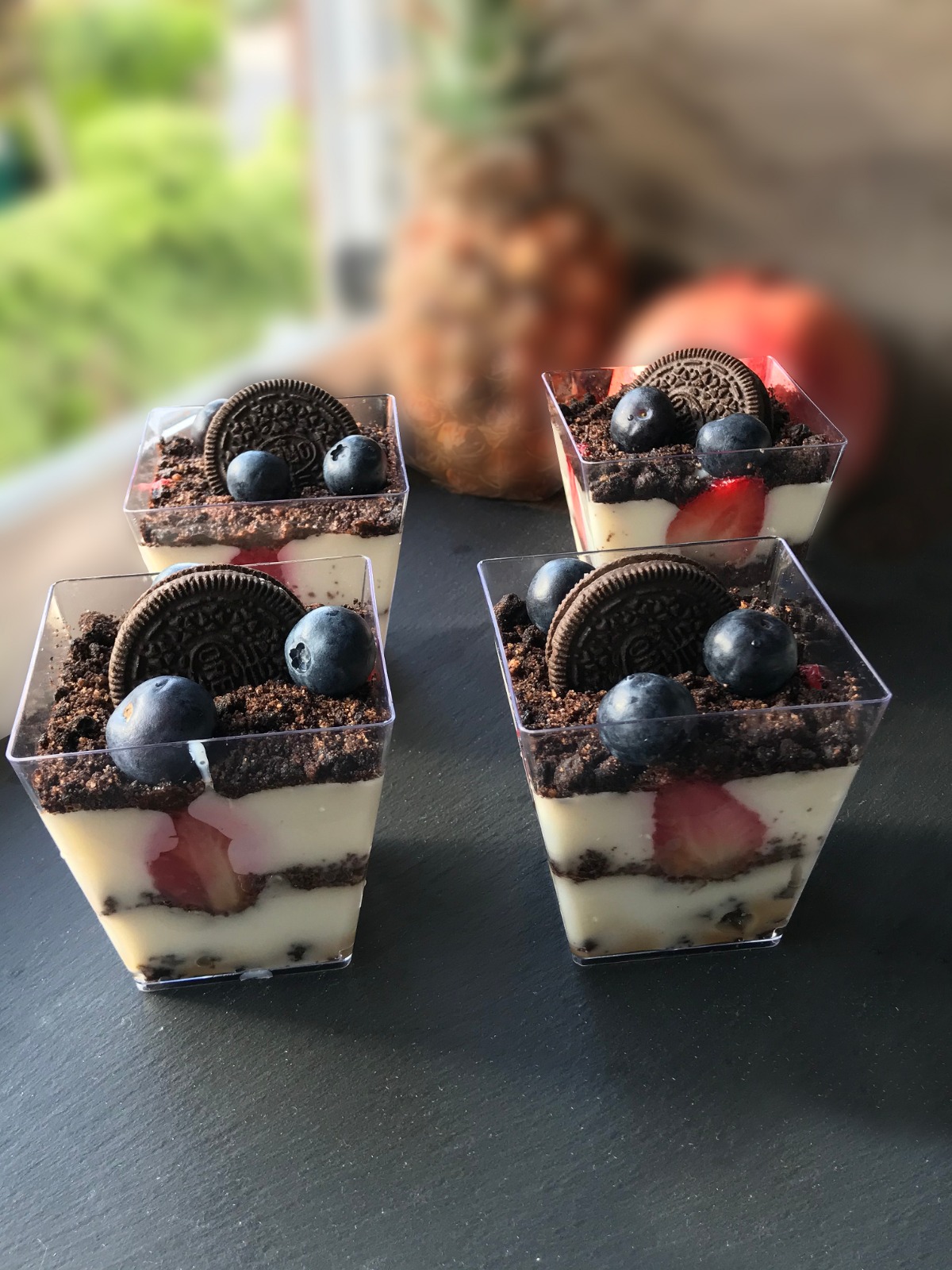
Own the traditional recipe
Every family in the eastern Mediterranean keeps its own version of the same dessert. Here is how we settled on ours, and why we still weigh the syrup by hand.
Read more
Laminated dough is one of the few things in a pastry kitchen where you cannot buy your way out of the time it takes. What you are building is a stack of alternating layers — dough, butter, dough, butter — and each fold doubles the count. Three single folds gets you twenty-seven layers of butter. That is the whole trick, and it has been the whole trick for about four hundred years.
The enemy is temperature. Butter at fridge temperature is brittle and shatters into the dough instead of stretching with it, which gives you patches rather than sheets. Butter that has gone soft melts into the flour and you end up with brioche. The window is narrow — roughly 14 to 16 degrees — and it is why a laminating room is kept cold and why the dough goes back into the fridge between every single fold. Rushing that rest is the most common shortcut, and you can see it in the finished pastry: the layers are there at the edge but the middle is dense.
The rest matters for a second reason that has nothing to do with butter. Rolling develops gluten, and developed gluten fights back — it shrinks the sheet as fast as you roll it. Thirty minutes in the cold lets it relax, and the next roll goes out evenly instead of springing back into a lopsided rectangle.
So it takes three days: one to make the dough and the butter block, one to fold and rest and fold again, and one to shape, prove and bake. There is no version of this that takes an afternoon. When you cut into a properly laminated pastry and the layers fan apart in the shape of an open book, that is what you are looking at — mostly waiting, done carefully.
Every family in the eastern Mediterranean keeps its own version of the same dessert. Here is how we settled on ours, and why we still weigh the syrup by hand.
Read more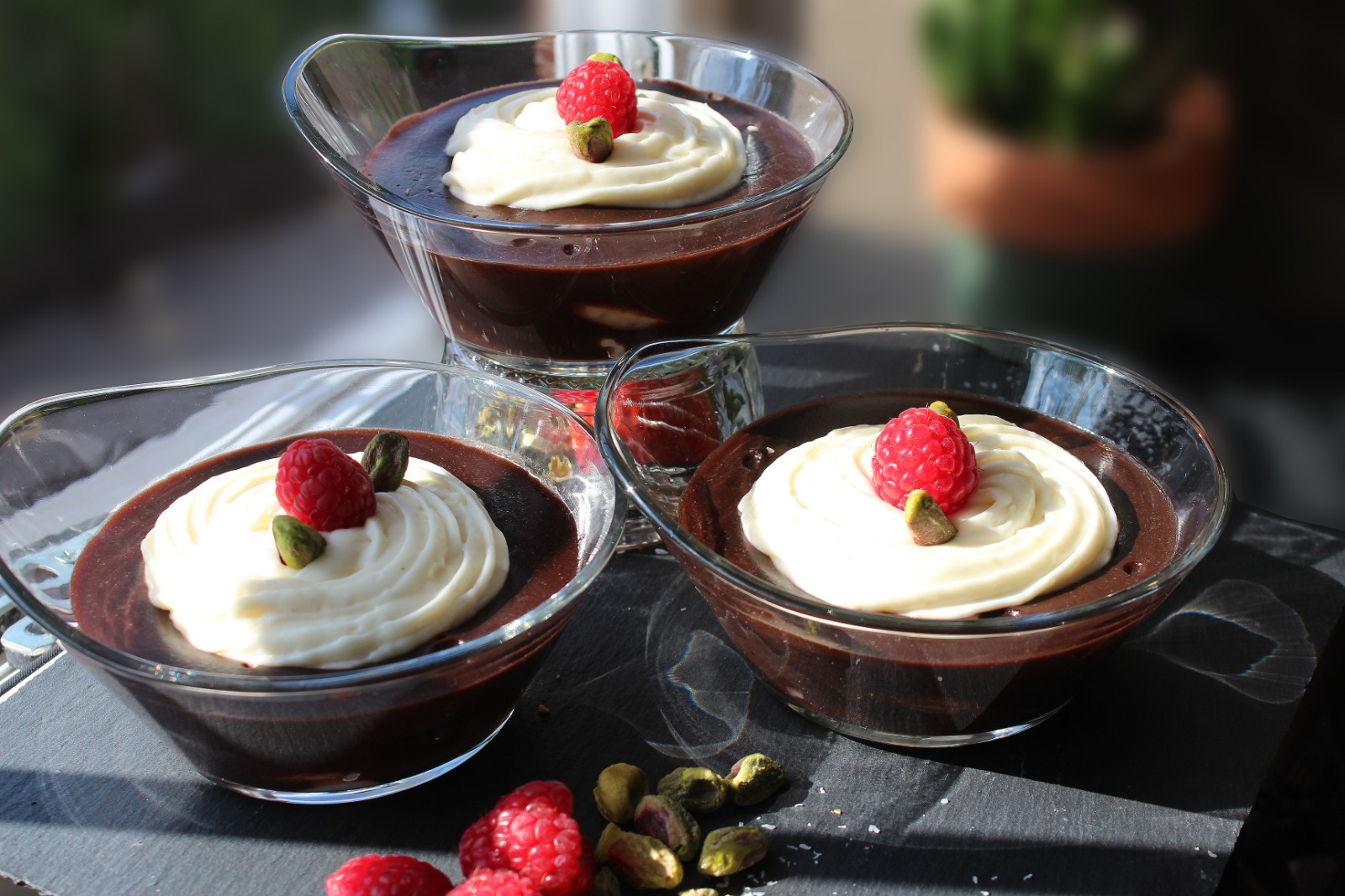
A tray of profiteroles in the middle of a table does more work than any centrepiece. Our guide to quantities, timing and getting dessert to the venue intact.
Read more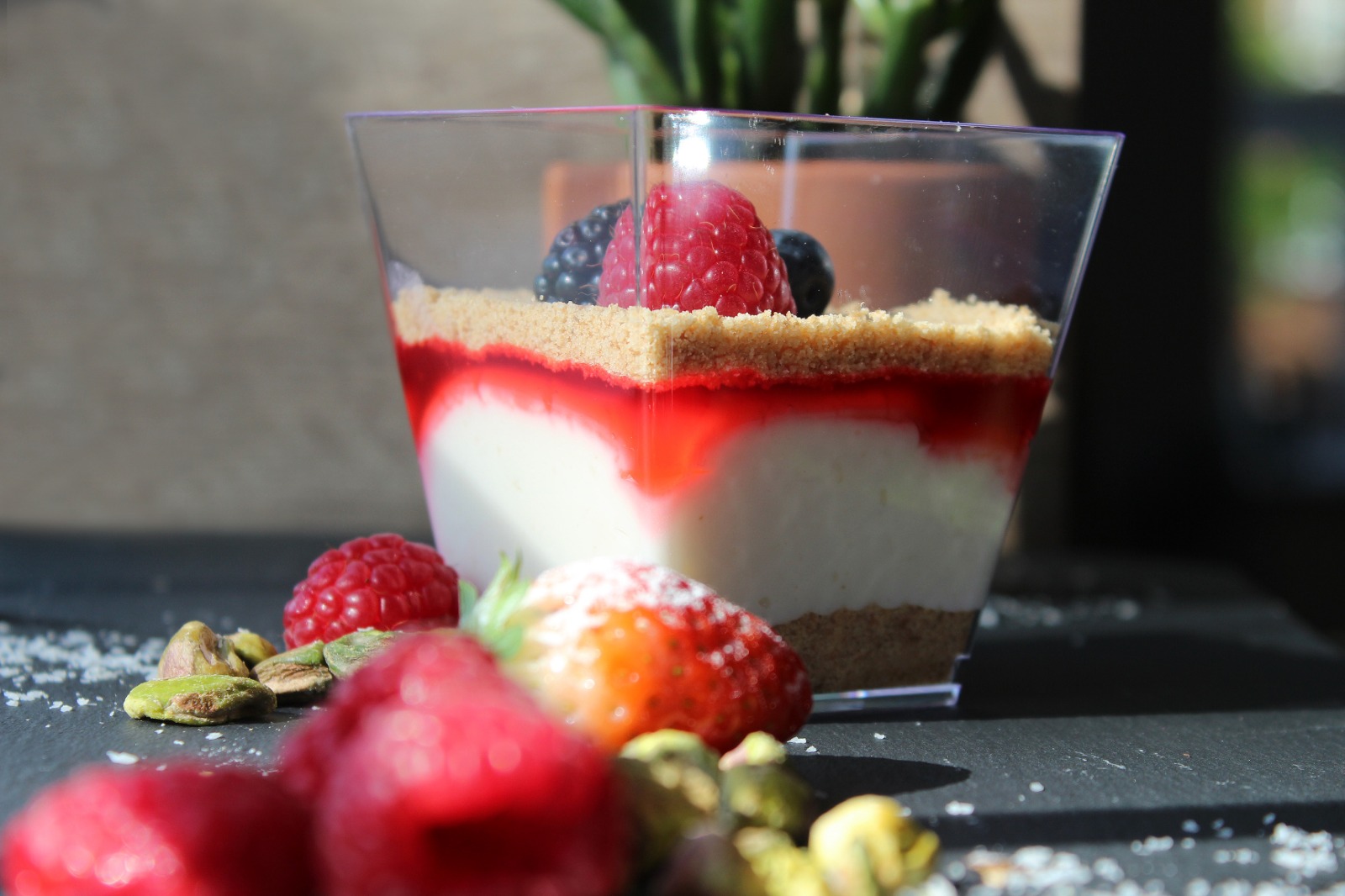
Fresh pineapple contains an enzyme that stops cream setting. There is a simple fix, and it takes ninety seconds on the stove.
Read more